
Adhikaar Aotearoa's Connection Circles: "You don't have to leave your culture at the door to be queer"
How Adhikaar Aotearoa's Connection Circles initiative is creating spaces for LGBTQIA+ people of colour to connect, be seen and support one another.
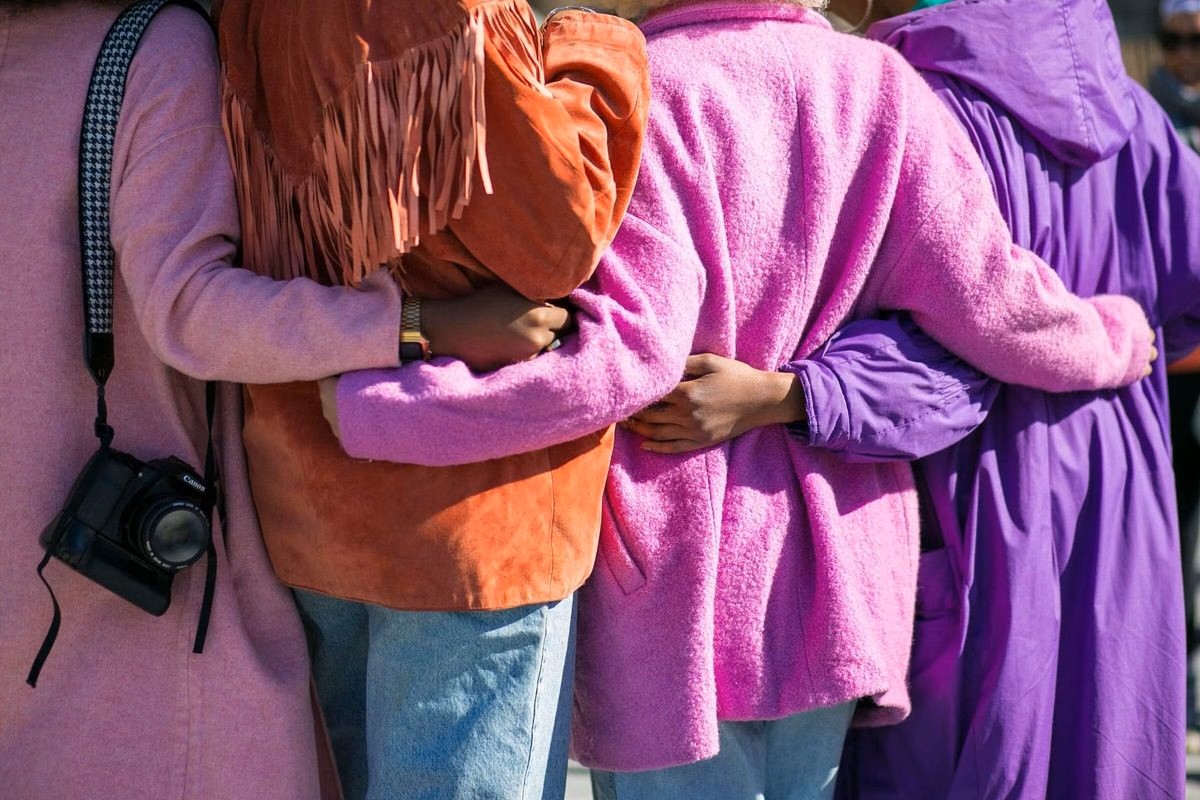 Photo credit: Adhikaar Aotearoa.
What can happen when people have a space where they don’t have to leave parts of themselves at the door?
Made possible through funding from the Mental Health Foundation’s All-of-Population Suicide Prevention Community Fund, Connection Circles is a series of community-led sessions for people of colour LGBTQIA+ communities in Te Whanganui-a-Tara/Wellington, with a particular focus on South Asians. The initiative is run by Adhikaar Aotearoa, one of 18 organisations to receive funding through the Fund.
"We often hear people talk about LGBTQIA+ and people of colour as though they are separate worlds. For many of us, they are not. We live at the intersection of these experiences every day."
"Many LGBTQIA+ people of colour navigate complex questions of belonging. The result can be a profound sense of being asked to choose between different parts of who we are," explains Dr. Cayathri Divakalala, the organisation's co-founder and project lead of Connection Circles.
In response to that reality, Connection Circles was co-designed by practitioners from the people of colour LGBTQIA+ communities and allies who have been in this field for a long time.
"People do not have to leave their culture at the door to be queer, nor leave their queerness at the door to be cultural. What we have learned through our work is that when people encounter others who share similar journeys, something powerful happens. There is recognition. There is relief," Cayathri says.
An opportunity to practise community
Instead of just providing people with information, the programme is designed in a way that recognises the knowledge, experience and wisdom people already bring with them.
Each session starts with kai and chai, followed by relational exercises, creative activities and conversations on a range of topics including identity, belonging, loneliness, relationships, wellbeing, care, and resilience. Cayathri highlights that the relationships formed within the Circles are one of the principal outcomes, not just an 'accidental by-product'.
“Belonging does not require sameness. Belonging can take many forms”
From individual struggles to collective care
One of the most remarkable things so far has been the speed with which people have connected with each other.
Many arrive at Connection Circles carrying deeply personal experiences of loneliness, migration, racism, family pressure to conform to identity expectations, and exclusion from communities. "Participants realise that they are not alone, and that what they have been carrying does not simply belong to them as individuals, but is often connected to broader social conditions and histories," Cayathri tells us.
It is for this reason that Adhikaar Aotearoa doesn't see wellbeing purely as an individual responsibility, nor does it see suicide prevention as belonging exclusively to crisis services.
The many forms of belonging
"Our goal is not to erase differences in ethnicity, religion, faith, caste, language, migration history, class, gender, or sexuality, but to create conditions in which those differences can be engaged with thoughtfully and respectfully. Belonging does not require sameness. Belonging can take many forms," Cayathri concludes.
"How do we build communities where fewer people have to struggle alone?" is the central question underpinning Connection Circles. Adhikaar Aotearoa's answer lies in creating spaces where people feel seen, valued and connected, and where the foundations of belonging and collective care can grow.
It's little wonder, then, that some participants have said they've been waiting years for a space like this.


There is no health without mental health
Help ensure everyone in Aotearoa has the tools to enjoy positive mental health and wellbeing.
